

Formula H: Where the Body Mind Relationship Meets Skincare
October 26, 2026

Uneven skin tone rarely announces itself. One morning, a patch near the cheekbone looks darker. An old acne mark refuses to fade. The forehead holds a tan that no amount of shade seems to fix. Understanding dark spots on face causes is the first step toward a routine that works with your skin, not against it.
At Cocky, men’s skincare begins with clarity. This guide covers the triggers, the science of pigment, the role of sunscreen, and the place of a well-built cleanser in the plan.
Dark Spots on Face Causes: The Usual Suspects
Dark spots appear when skin produces extra melanin in one area. Several everyday factors push this process along:
- Sun exposure: Ultraviolet rays signal the skin to produce more pigment as a defence. Over the years, this leaves sun spots and a stubborn tan, mostly on the forehead, nose and cheeks.
- Post-acne marks: Breakouts leave inflammation behind. As the pimple heals, the skin often keeps a dark mark in its place.
- Pollution and grime: Dust, smoke and free radicals stress the skin and dull its tone. In a busy city, this exposure never takes a day off.
- Shaving irritation: Razor friction and ingrown hairs inflame the skin, and inflamed skin pigments easily.
- Picking and harsh scrubbing: Squeezing pimples or using rough scrubs injures the surface and invites dark marks.
- Hormones and ageing: Hormonal shifts, stress and slower cell renewal allow pigment to linger longer.
Dark spots on face causes rarely work alone. A tan, an old breakout and daily pollution can stack on one cheek, which explains the patchy, layered look many men notice.
Reasons for Hyperpigmentation Beneath the Surface
The reasons for hyperpigmentation sit at the cellular level. Melanocytes, the pigment-making cells in the lower skin layer, release melanin into the cells around them. UV light, inflammation and hormonal change make these cells overactive. The extra pigment travels upward and shows up as a dark spot.
Three patterns appear most often:
- Sun spots: Flat, brown patches from years of UV exposure.
- Post-inflammatory marks: Dark spots left after acne, razor bumps or irritation.
- Melasma-type patches: Larger, symmetrical patches linked to hormones and sun. These benefit from a dermatologist’s guidance.
Clogged pores deserve a mention too. Oil and dead skin trap bacteria, breakouts follow, and marks follow the breakouts. A cleanser that keeps pores clear calms the inflammation behind many marks before they form.
Does Sunscreen Remove Dark Spots? An Honest Answer
Does sunscreen remove dark spots? No. Sunscreen is protection, not correction. It blocks the UV rays that deepen existing marks and create new ones. Without it, even the best routine loses ground, since every sunny hour restarts the pigment cycle.
Think of sunscreen as the lock on the door. Fading marks needs ingredients that clear, renew and brighten. Sunscreen keeps that progress from reversing. Cocky builds both halves into The One range, with an SPF 50 sunscreen designed to follow the cleanser and serum every morning.
Where The One Face Wash Fits In
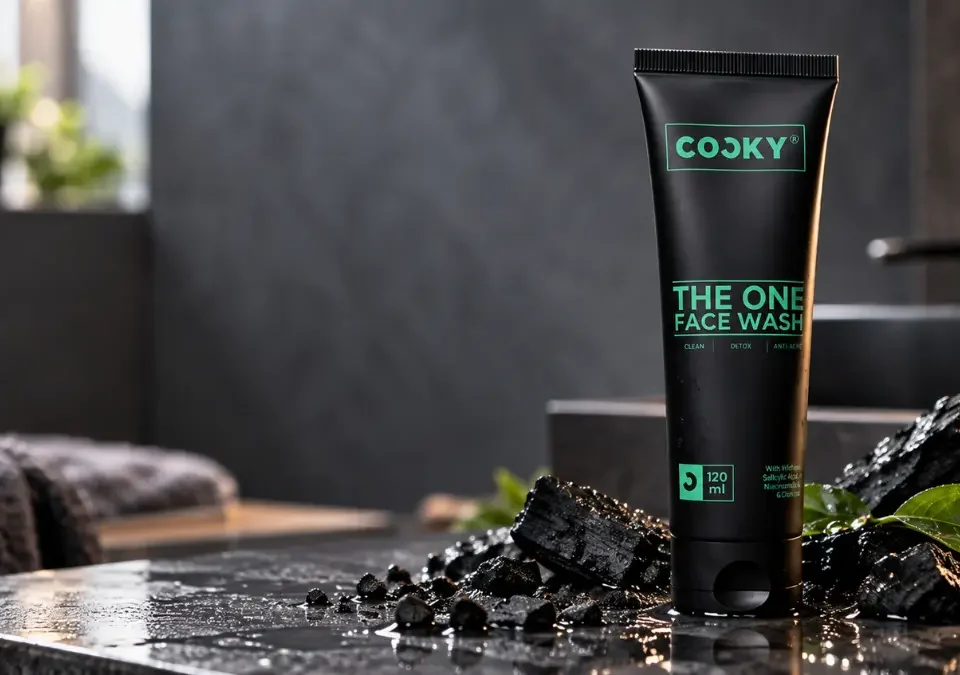
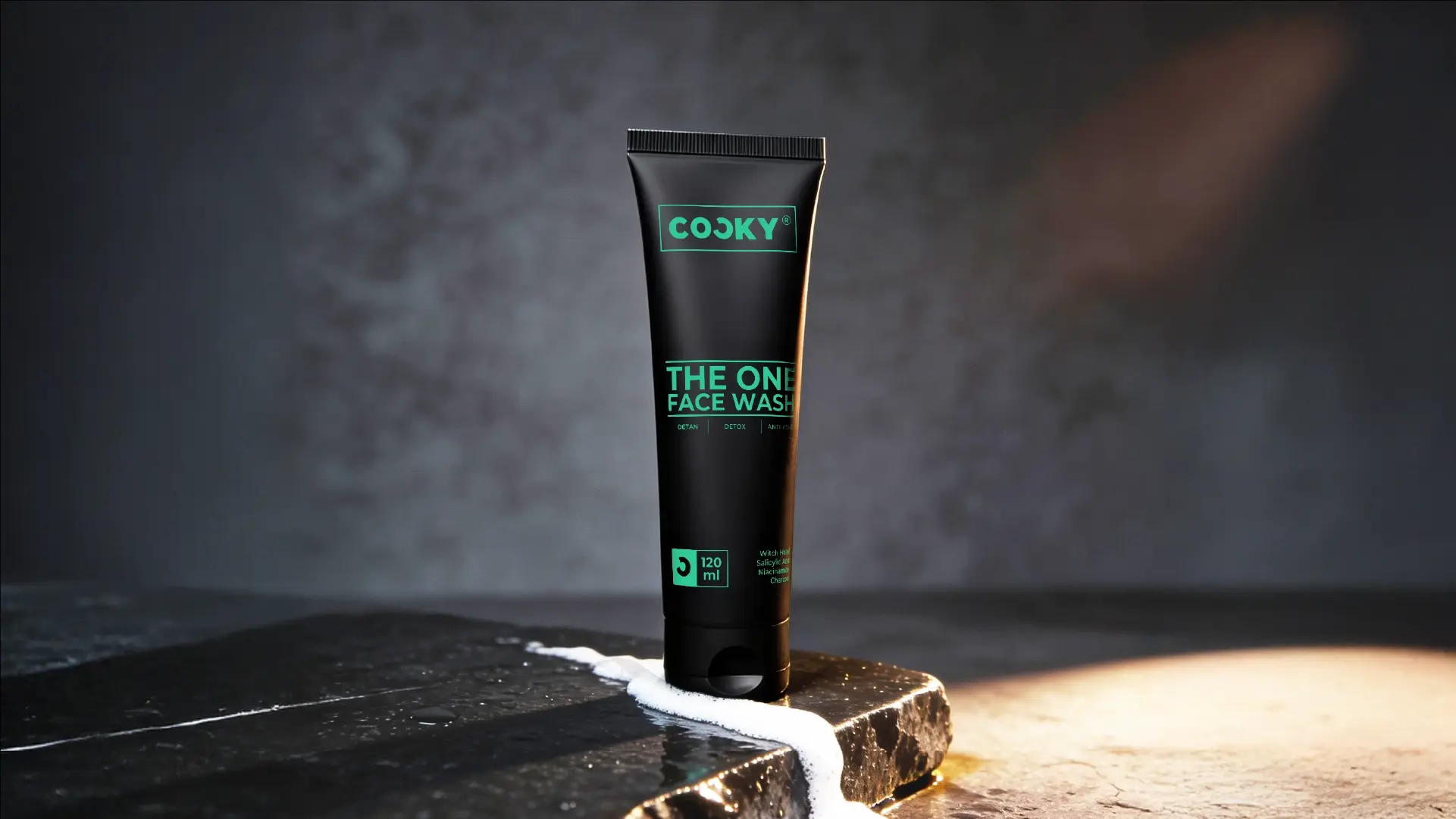
The cleanser is the one step performed twice a day, every day, which makes it the strongest place to start. The One Face Wash is an all-in-one formula made for men, built around four working ingredients:
- Salicylic Acid: An exfoliating agent that unclogs pores and fights the acne that leaves marks behind.
- Niacinamide: Reduces oil, minimises pores and brightens skin tone.
- Witch Hazel: A natural astringent that soothes skin and reduces inflammation.
- Charcoal Beads: Detoxify skin and lift pollutants from the surface.
Vitamin B5 and shea butter complete the formula, so skin stays hydrated and never feels tight or stripped. The One Face Wash is positioned to detan, detoxify, fight acne, minimise pores and reduce pigmentation and dark spots, all without drying the skin.
A face wash is a rinse-off step, so it works as part of a routine rather than as a replacement for targeted treatment. Used consistently, it clears the oil, grime and clogged pores that feed discolouration, and it supports the brightening process every day.
The details at a glance:
- 120 ml tube, lasting up to two months with standard use
- Suitable for all skin types
- Sulphate and paraben free, dermatologically tested and cruelty free
- Priced at ₹399
Men who have tried it mention a cleaner, smoother feel and a tan that looks slightly lighter with regular use. Curious how a single 60-second lather changes the routine? That is where the formula earns its place.
Dark Spots on Face Causes You Can Manage Daily
Many triggers sit within your control. Small habits, repeated, change the outcome:
- Cleanse twice daily. Use The One Face Wash morning and night on a wet face. Massage a light lather gently over the skin.
- Leave it on for 60 seconds. This gives the formula time to work on tan before you rinse.
- Apply sunscreen every morning. Cloudy days and indoor hours near windows still deliver UV exposure.
- Reapply when outdoors. Sun protection fades through the day.
- Hands off breakouts. Picking converts a short-lived pimple into a long-lasting mark.
- Shave with care. A sharp blade and a soothing finish lower irritation.
- Keep towels and pillowcases fresh. Clean fabric means fewer pore-clogging residues.
Knowing the reasons for hyperpigmentation helps you pick the right habit for the right trigger. Sun calls for sunscreen. Breakouts call for pore care. Irritation calls for a gentler hand.
A Simple Routine to Begin With
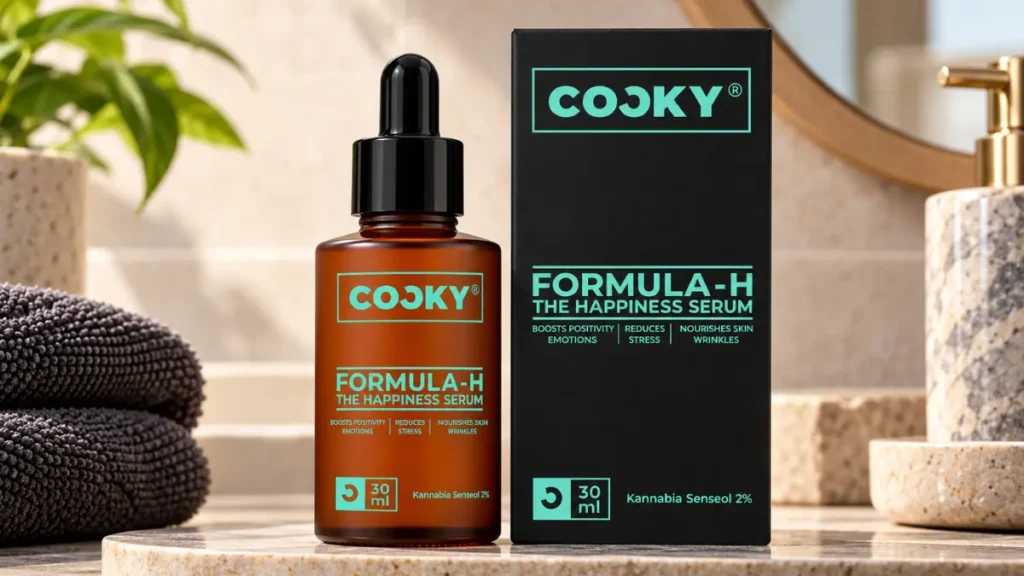
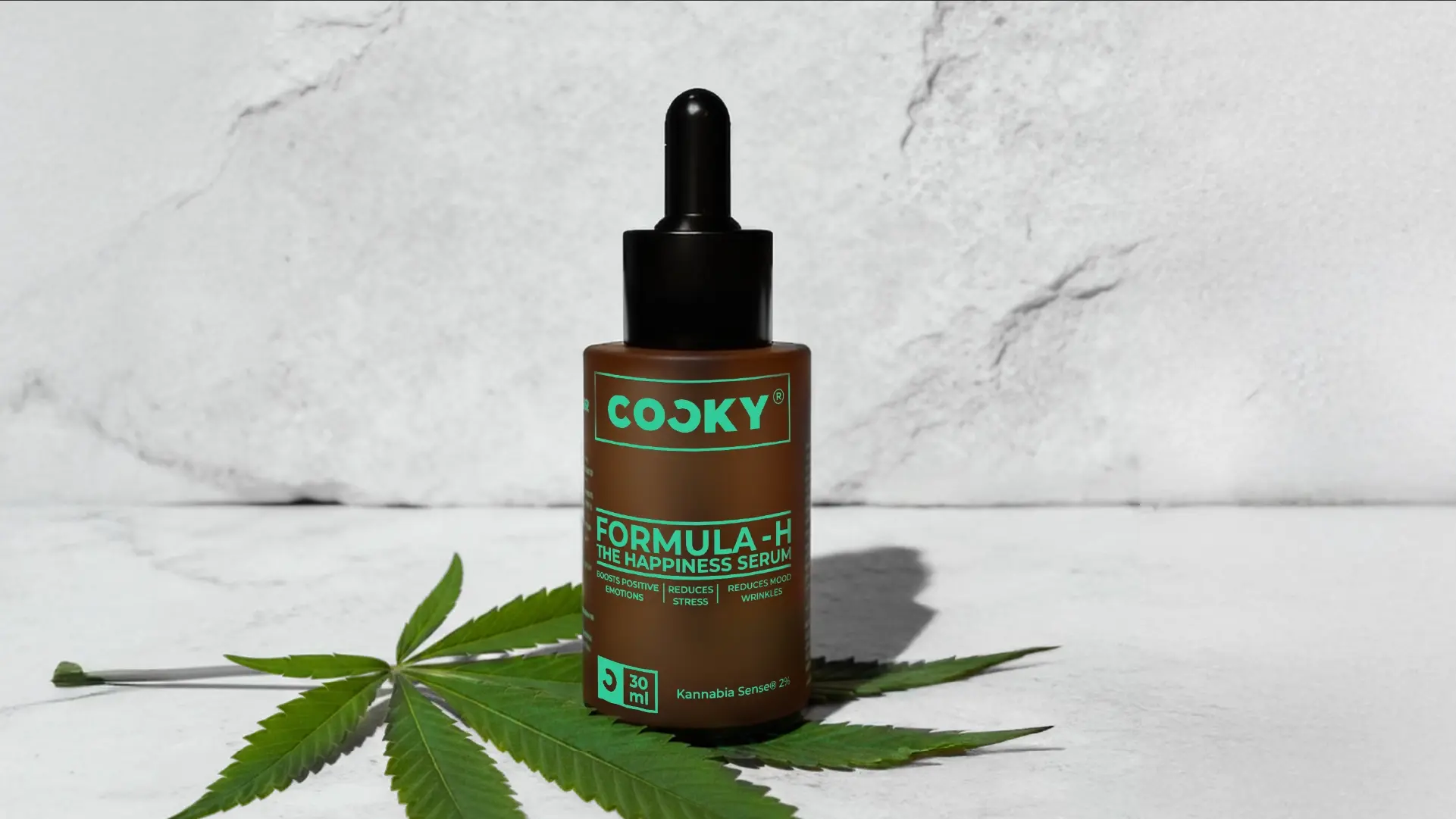
Morning: Wash with The One Face Wash, follow with The One Face Serum, then finish with SPF 50 sunscreen.
Night: Wash with The One Face Wash and follow with a moisturiser.
Skin renews itself over several weeks, so give the routine six to eight weeks of steady use before judging results. Patience paired with consistency is the quiet advantage here.
Clearer Skin Starts With One Smart Step
Clearer skin begins with clear understanding. Dark spots on face causes range from sun and pollution to breakouts and irritation, and the reasons for hyperpigmentation all lead back to overactive pigment cells. Sunscreen guards the result. A reliable cleanser builds the base. If a spot changes shape or colour, or bleeds, a dermatologist should see it.
Start with the step you take twice a day. Pick up The One Face Wash and give your skin a cleaner starting point.
FAQs
No. Sunscreen prevents spots from darkening and stops new ones from forming, but it does not erase existing marks. Pair it with a cleanser and serum that support brightening, and use it every morning.
Timelines vary with depth and cause. Fresh post-acne marks fade sooner than older sun spots. Most people need at least six to eight weeks of consistent care, with sunscreen as a daily rule.
Yes. It is made for twice-daily use, morning and night, and suits all skin types. A patch test before first use is recommended, especially for sensitive skin.